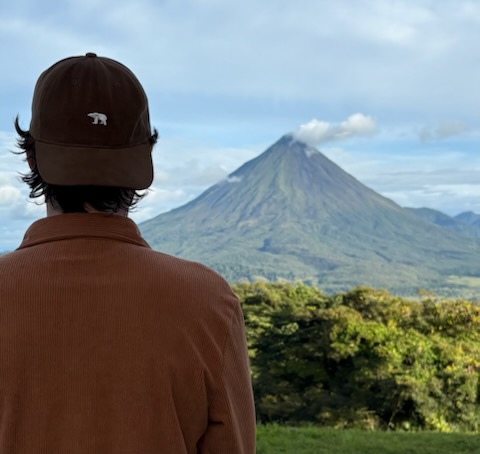
Fifty Countries Later
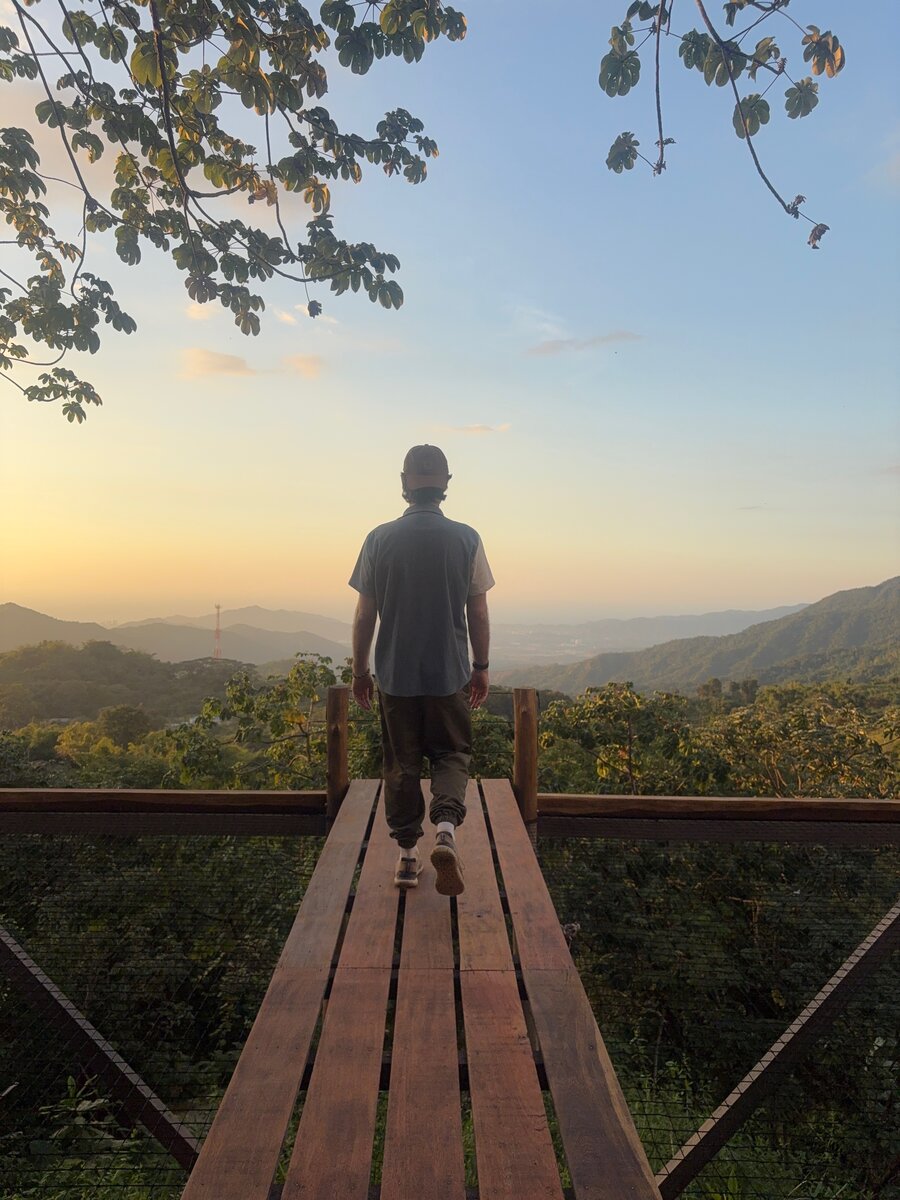
I have been to more than fifty countries across six continents, most of them alone, most of them in the last two years. People ask what my favorite was and I never have a good answer, because the question assumes the point of going was the place. It wasn’t. The places were the excuse. What I actually came back with was a set of lessons that have almost nothing to do with passports and everything to do with how you move through a room, how you read a person, and what you assume before you have any evidence.
I want to write those down, partly because I am starting to forget the smaller ones, and partly because I think they transfer. They have made me better at my job, better at meeting people at home, and I suspect they will make me better at raising a family someday. None of this requires a plane ticket. It just took a plane ticket for me to notice.
1. Genuine curiosity is the most disarming thing you can offer a stranger
Early on I developed an answer to a question I got constantly. Someone would approach me, in a market or on a train or outside a shop, and ask what brought me to their country. The honest answer was always the same, so I started saying it out loud: you did. I came to talk to the people who live here, not to look at buildings.
That answer worked in almost every country I said it in, and it worked because it was true. People can tell the difference between someone performing interest and someone who actually wants to know. The performance has a rhythm to it, a set of follow up questions that arrive too quickly and land in the wrong places. Real curiosity is slower. It gets distracted by things the script didn’t plan for.
I was walking through Beirut on my first evening in Lebanon, a place I had been told repeatedly not to go, and within an hour I was in a conversation with someone who wanted to know why an American was standing on his street. I told him the truth. He smiled, and that smile is the thing I ended up chasing across the rest of the world. It is a very specific expression, the one that shows up when someone realizes you are not there to take something from them.
2. The warnings are almost always louder than the reality
Before Lebanon, people warned me. Before Saudi Arabia, people warned me. Before Cuba, before rural China, before Colombia, there was always someone who knew for certain that I was making a mistake, and almost none of them had been. That is the pattern I want to point at. The confidence of the warning is usually inversely proportional to the experience behind it.
I am not arguing that risk is imaginary. I have done enough flight training and enough emergency medicine to have a healthy respect for the difference between a calculated risk and a stupid one. What I am arguing is that most of the fear people carry about foreign places is inherited, not earned, and inherited fear is remarkably resistant to evidence. It comes from headlines, from a movie, from an uncle who read something once.
The practical version of this lesson is simple. Go find out yourself. Not recklessly, and not without preparation, but go. The gap between what a place is reported to be and what it actually feels like to stand in is the single most consistent surprise I have encountered, and it has never once gone the direction I was warned about.
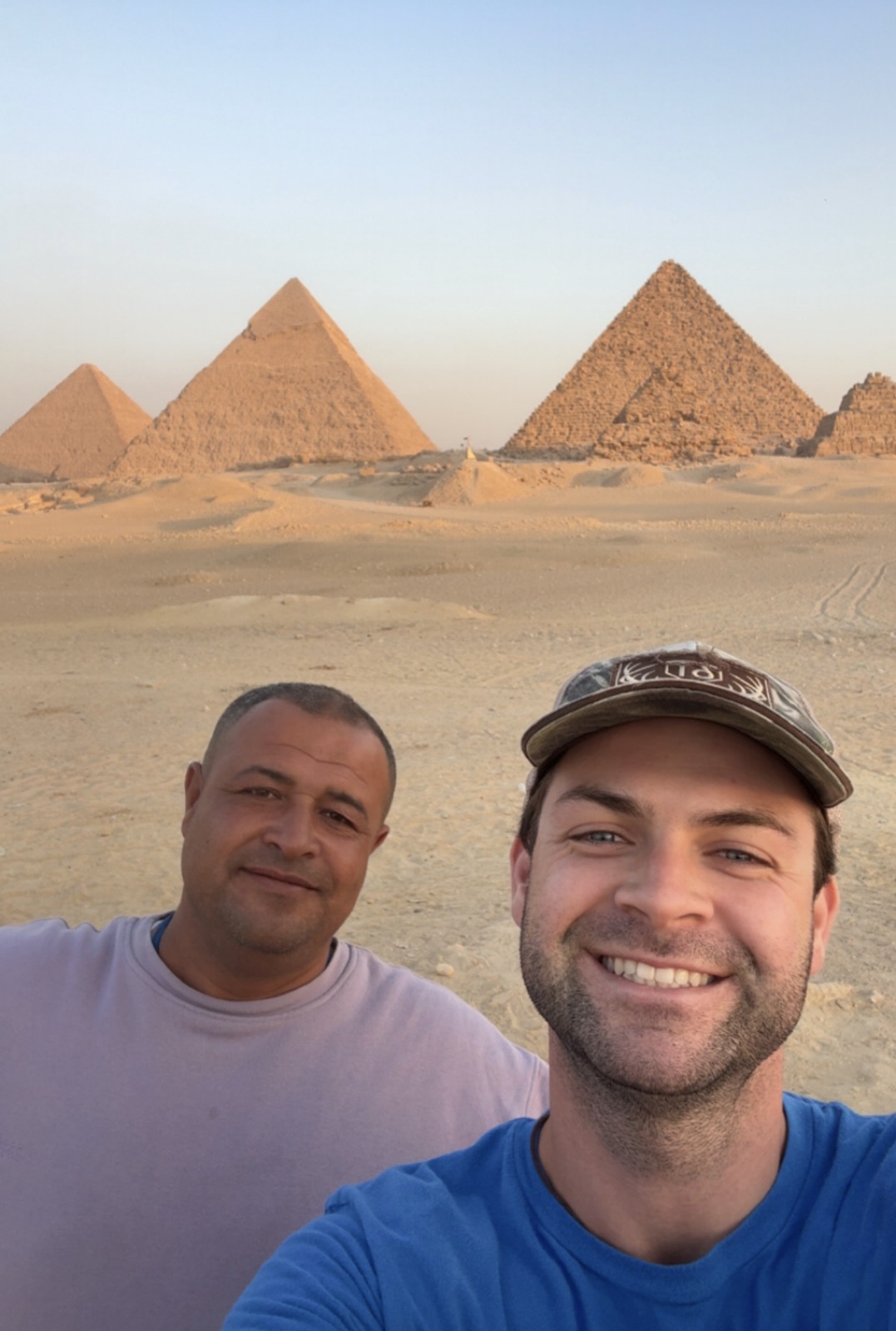

3. Hospitality is a test, and you pass it by saying yes
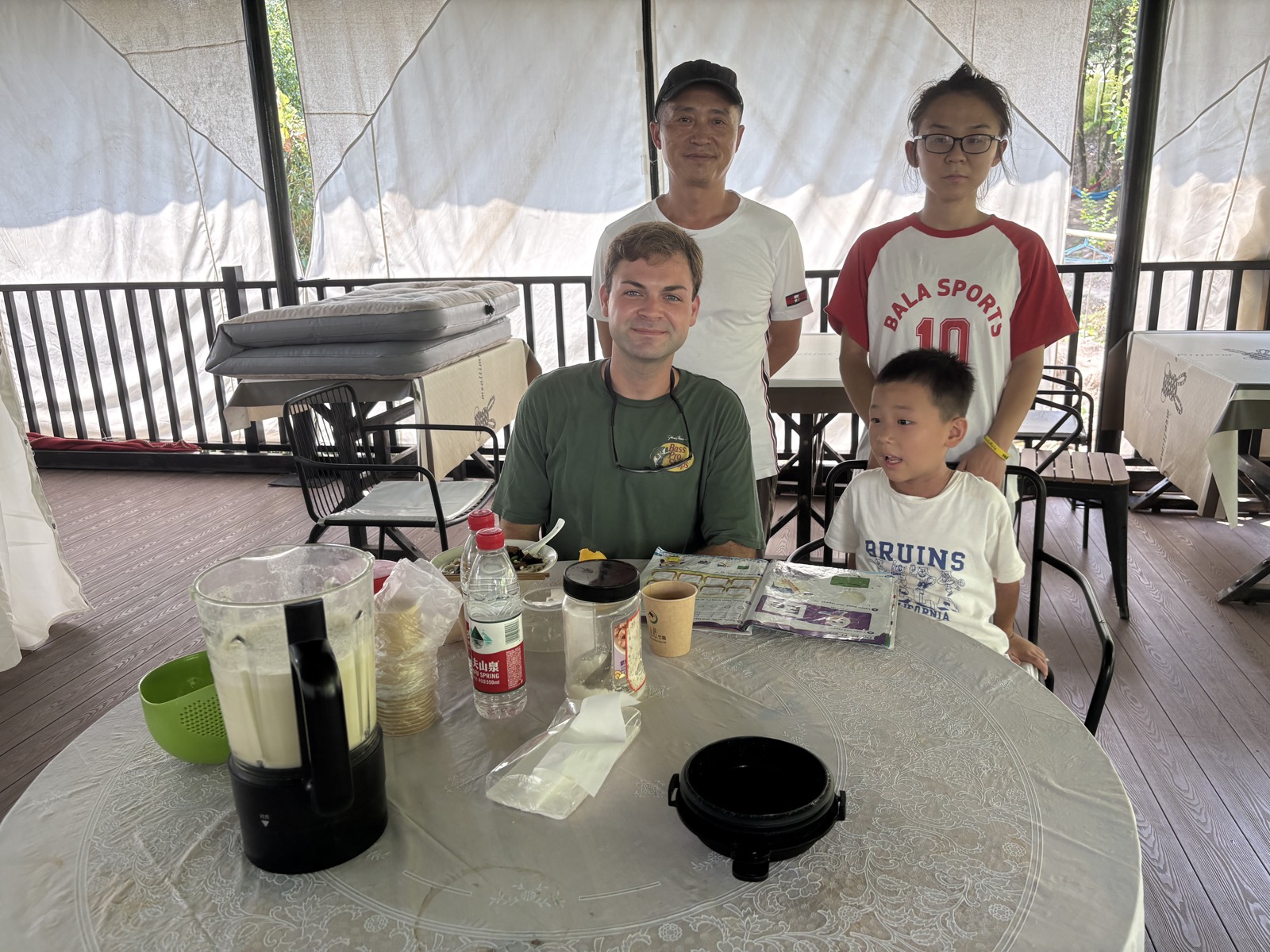
The most meaningful thing that has ever happened to me abroad started on a subway in Shanghai. A man asked where I was headed in China, and when I told him I was going to a small city in the rural farmland rather than the tourist circuit, his face changed. That was where his family was from. We talked for the rest of the ride, and by the end of it he had invited me to stay with them.
I said yes immediately, and I think the speed mattered. Hesitation would have signaled doubt, and doubt would have undone the thing we had just built in twenty minutes of conversation. When I arrived, almost nobody in the household spoke English. I was operating on two years of middle school Mandarin, patience, and a willingness to be visibly bad at something in front of people I wanted to impress.
On my last night there, over dinner, the family told me something I was not prepared for. Generations earlier, their family had sheltered American aviators who went down over China and hidden them from Japanese forces. I was the first American to visit since. I did not know what to do with that at the time and I still don’t entirely, except to say that it happened because I got on a train and answered a question honestly, and because when a stranger offered me something I did not say let me think about it.

Across a lot of cultures, hospitality is not a nicety. It is a structure, with obligations running in both directions, and refusing it politely can be a bigger insult than accepting it clumsily. Americans are trained to decline the first offer as a courtesy. In much of the world, declining the first offer just means you declined.
4. Effort in someone’s language beats fluency in your own
My Spanish is fluent, my Italian is passable, and I am slowly chipping away at a couple of others in the margins of a demanding job. In most of the places I go, I am nowhere near fluent. I have made grammatical errors that made people laugh out loud, and I have confidently said things that meant something adjacent to what I intended, and considerably worse.
None of it mattered. What mattered was the attempt. Trying in someone’s language, badly, is a form of respect that translates cleanly everywhere. It says I am willing to be the less competent person in this exchange in order to meet you where you are. That is a posture almost nobody expects from an American traveler, and it opens doors that no amount of fluent English ever has.
The corollary is that being comfortable looking foolish is an underrated professional skill. If you can laugh at your own mistakes in a language you barely speak, you can absolutely admit you do not understand something in a meeting.
5. What the world taught me about my own country
Here is the lesson I did not go looking for. Every time I came home, America looked different, and eventually I understood why. America is the world compressed into one country, and we are so close to it that we have stopped seeing it.
I would spend a week somewhere learning the customs, the food, the way people greet each other and how long a conversation is supposed to last before it gets personal. Then I would fly into Miami or Atlanta or New York and hear six languages in the terminal, walk past restaurants representing four continents, and realize I had crossed an ocean to find a version of something that exists within twenty minutes of most American cities. The Ethiopian restaurant, the Vietnamese grocery, the Colombian bakery, the Lebanese place run by a family that has been here two generations and still argues about the right way to make the thing their grandmother made.
What I learned abroad is that this is genuinely rare. Most countries are not like this. Most countries are substantially one thing, with a long memory about who belongs and who arrived recently. The American arrangement, whatever its considerable problems, is an unusual experiment in the world, and traveling widely made me more appreciative of it rather than less.
It also made me a little embarrassed. I had been treating the cultural richness in my own country as background noise while flying across the planet to seek out the same thing. I do not do that anymore. The person behind the counter at the market near my house has a story about a country I want to hear about, and I have started asking. The results have been about as good as they were in Beirut.

6. Why any of this matters for a career
I write a lot of cover letters. I have applied to federal agencies, private companies, and roles that have very little in common with each other, and the thing I have learned to say plainly is that cross cultural competence is not a decoration on a resume. It is an operational skill, and most hiring managers know it even when they do not have language for it.
Here is what it actually looks like in practice. It means walking into an operating room where you know nobody, reading who the real decision maker is within about ninety seconds, and adjusting your approach accordingly. It means understanding that the way you earn trust from a surgeon in Jacksonville is different from the way you earn it from a hospital administrator in Tampa, and different again from the way you earn it from a Congressional staffer who has eleven minutes for you. Those are cultural reads. The passport stamps just made me faster at them.
It also means being comfortable with ambiguity, which is the trait every employer claims to want and very few candidates can demonstrate. When you have navigated a bus system with no signage in a language you cannot read, a project with unclear requirements stops feeling like chaos and starts feeling like Tuesday.

7. Why it matters more for everything that is not a career
I care about the professional argument, but it is not the important one. The important one is that the habits travel builds are the same habits that make you good at being a person.
Curiosity about strangers turns into curiosity about the people you already know, which turns out to be the whole engine of a long friendship. Learning to sit comfortably in silence with someone you cannot fully communicate with makes you better at sitting with someone at home who is going through something and does not want to talk about it yet. Accepting hospitality gracefully teaches you to offer it. Being the least competent person in the room teaches you patience with people who are new at things.
If I have children, the thing I want to give them is not a list of countries. It is the assumption that a stranger is probably interesting, that the warnings are probably overstated, and that the fastest way to learn anything about a place is to ask somebody who lives there and then actually listen to the answer. You do not need a passport to teach that. It just helped me find it.
What I would tell someone about to go
Go alone at least once. You will be forced into conversations that a travel companion would have absorbed for you, and those conversations are the entire point. Learn twenty words. Say yes to the invitation. Eat the thing you cannot identify, within reason, and accept that occasionally this will go badly and become the story you tell for years. Take fewer photos than you want to and stay in the moment longer than is comfortable.
And when you get home, notice that the same country you just left has a neighborhood version of it about fifteen minutes from where you live, staffed by people who would love to tell you about it, and who have been waiting the whole time for somebody to ask.